


Why is a cervical disc
herniation dangerous?
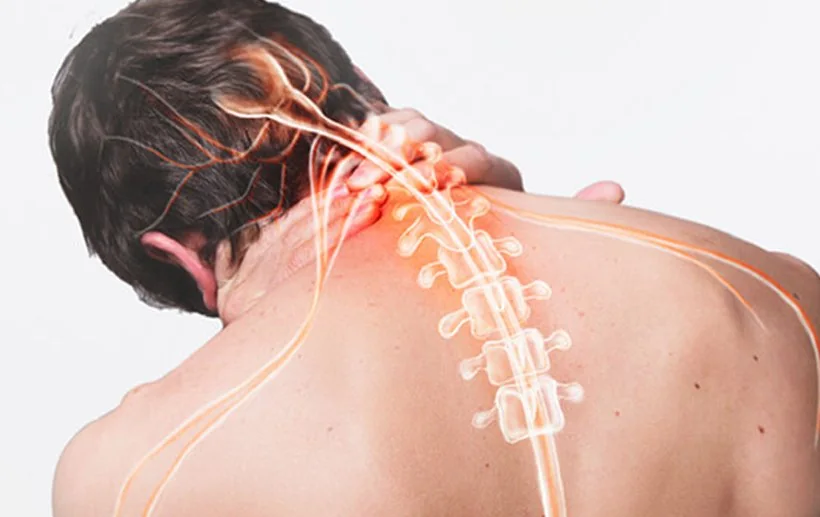
- Weakness in an arm or leg
- Gait and balance disturbances
- Numbness and tingling
- Impaired coordination
- Signs of spinal cord compression
- Bladder or bowel dysfunction
See a doctor urgently if you develop weakness in an arm or leg, gait disturbances, or bladder / bowel dysfunction.
What examinations are needed?
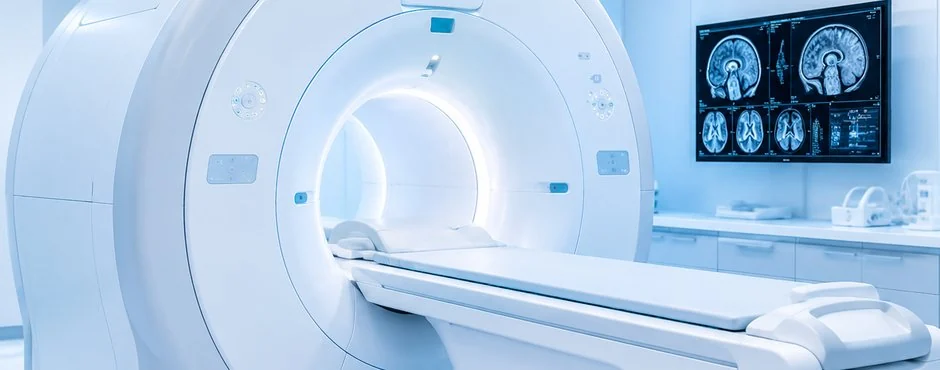
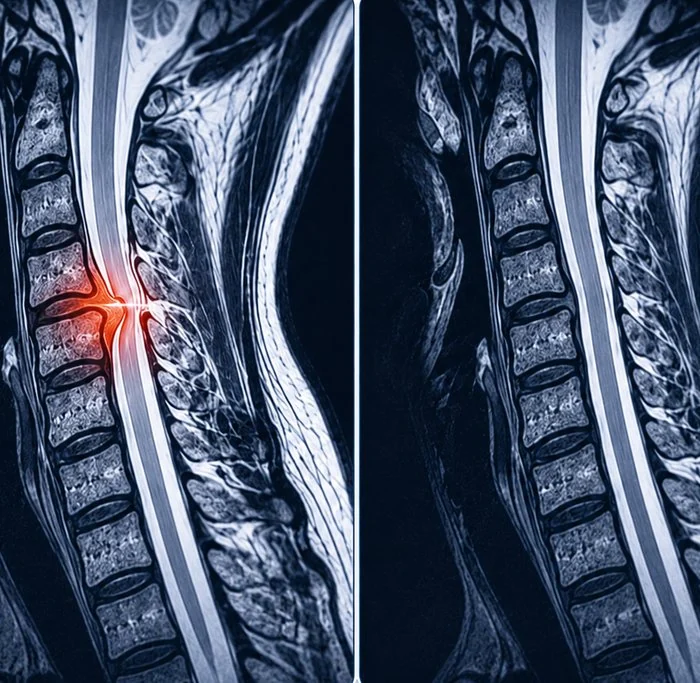
Cervical spine MRI
The key examination to assess the disc herniation, nerve structures and the spinal cord.
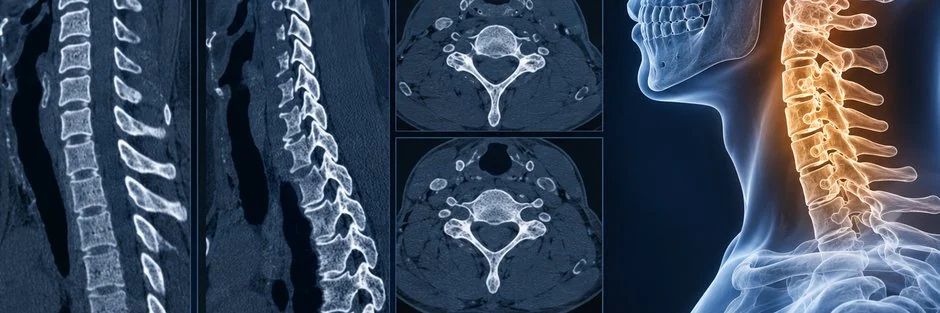
Cervical spine CT
Required for osteophytes, calcified disc herniation, stenosis or complex degenerative changes.
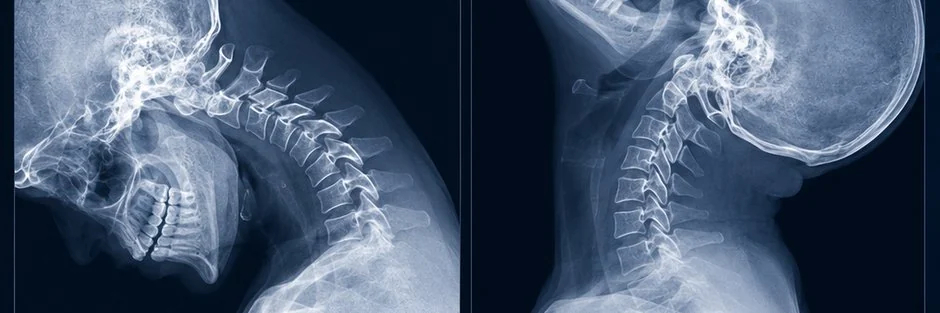
Flexion-extension X-ray
Needed to assess mobility and stability of the cervical spine.
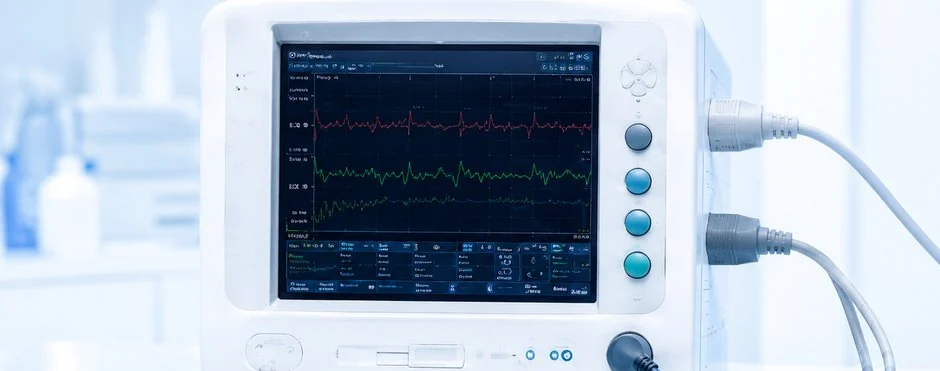
ElectroNeuroMyoGraphy
An objective assessment of nerve and spinal cord damage.
When is surgery needed?
- Pain that persists despite treatment
- Weakness in the arm
- Numbness or loss of sensation
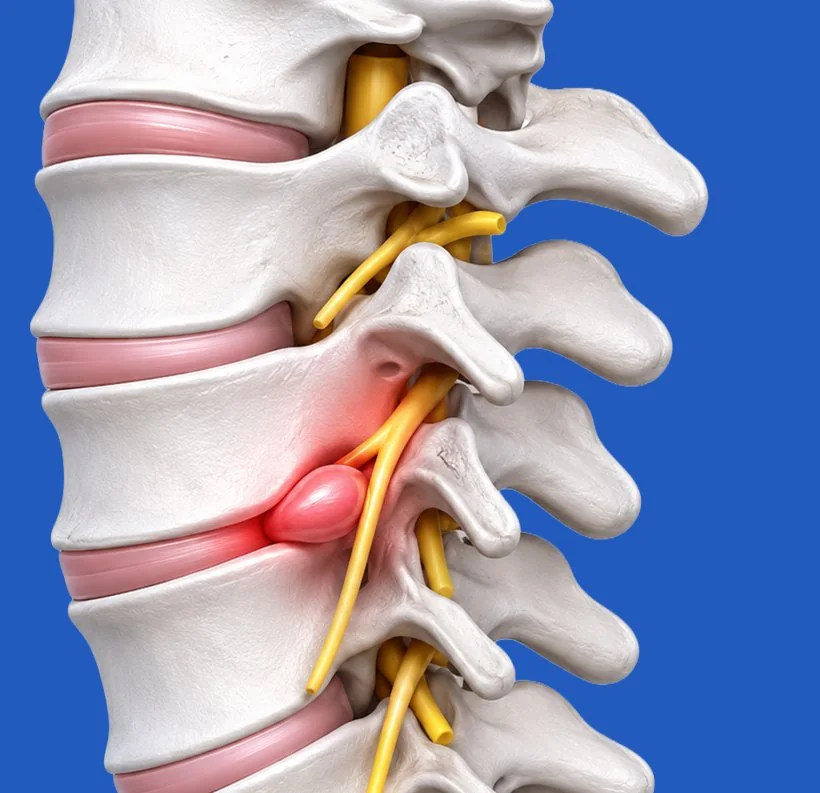
- Nerve root compression
- Spinal cord compression
- Gait disturbances
- Bladder or bowel dysfunction
- Progressing symptoms
Surgical treatment options
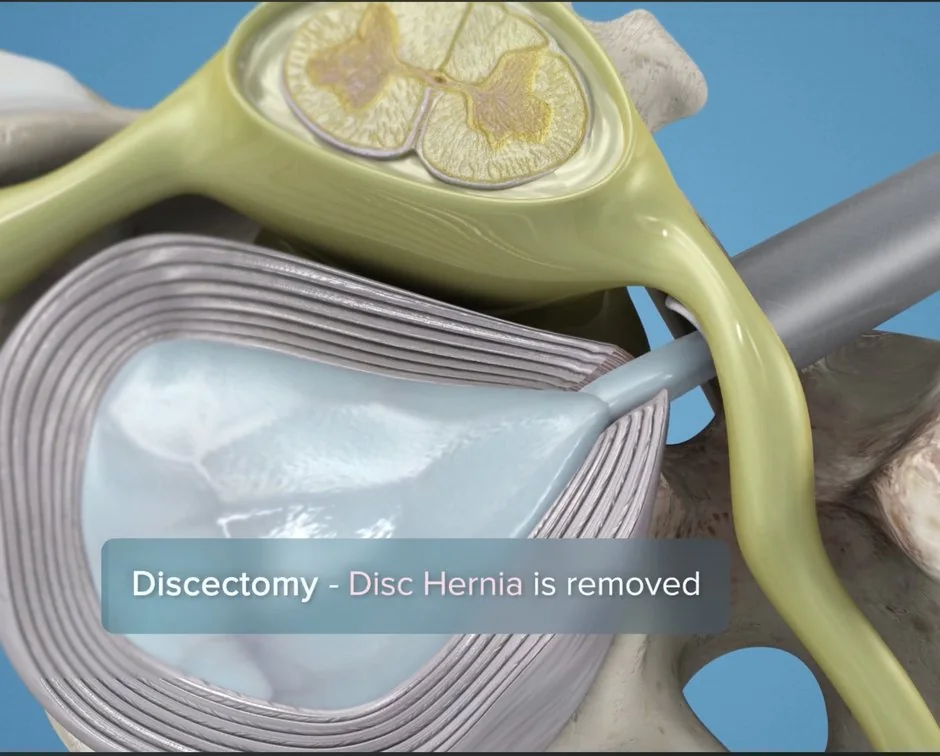
of a cervical
disc herniation

A minimally invasive procedure that removes the herniated disc fragment through a small incision. It is suitable mainly for lateral and foraminal disc herniations that compress a nerve root.
Advantages:
- Minimal tissue trauma
- Preservation of your own disc
- Minimal blood loss
- Small scar
- Fast mobilization
- Short hospital stay
- Quick return to everyday life
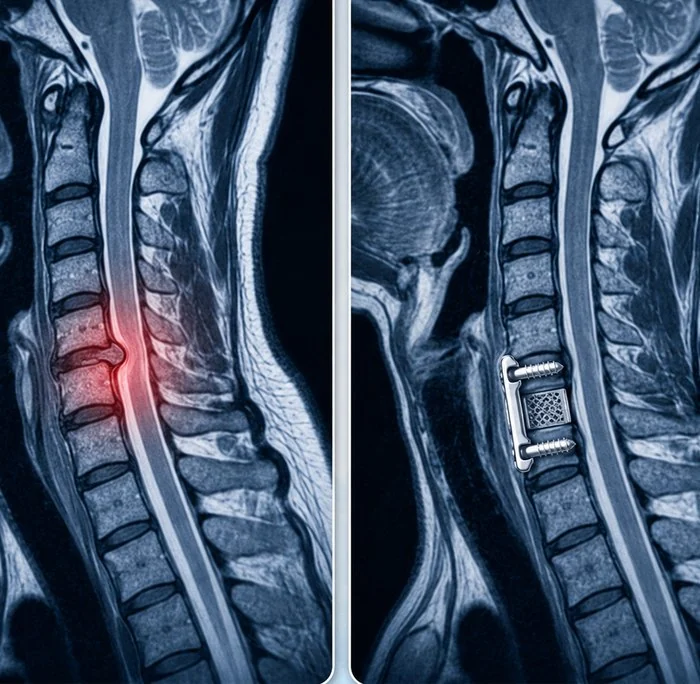
The classic operation for complex cervical disc herniations. The damaged disc is removed, the compression of the nerve structures is relieved, and a cage is implanted.
Suitable for:
- Large central disc herniations
- Spinal cord compression
- Pronounced osteophytes
- Spinal canal stenosis
- Instability
- Significant disc collapse
Specifics of the method:
The operated segment loses mobility due to vertebral fusion.
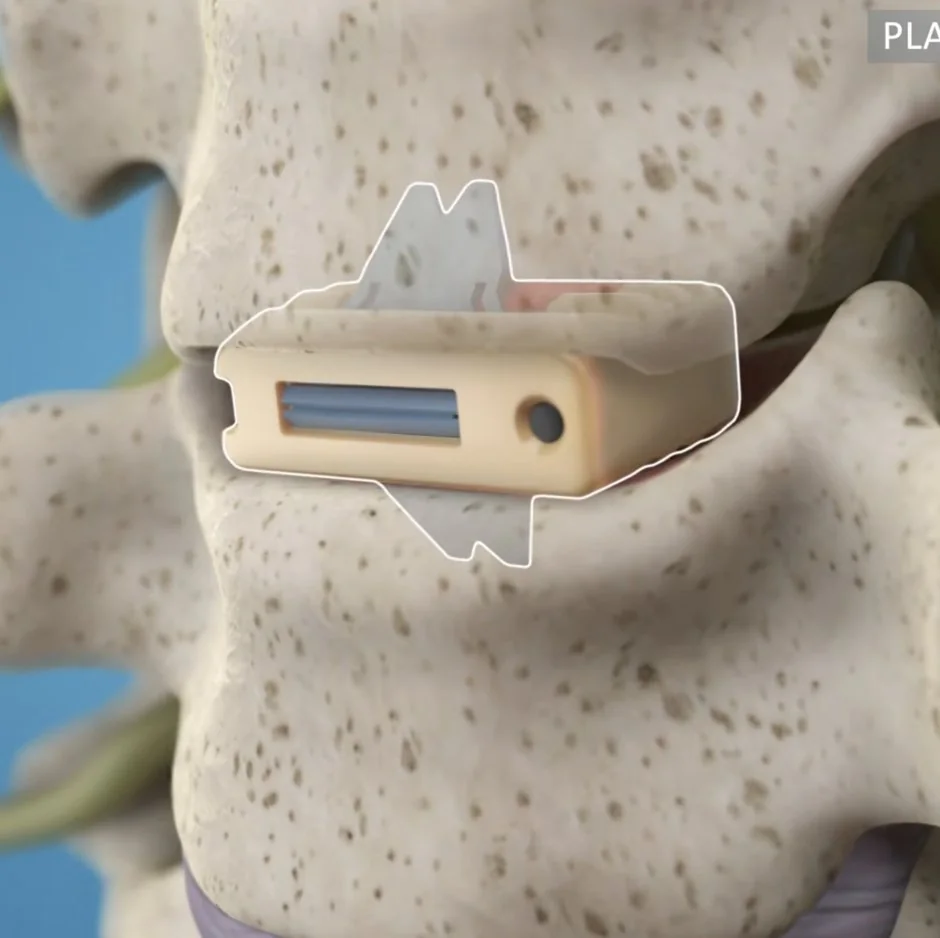
cervical discectomy
and fusion
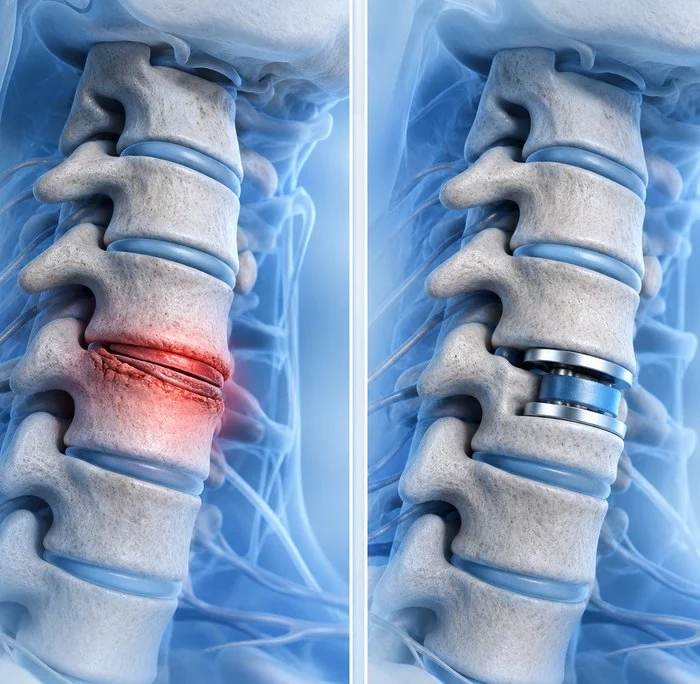
replacement

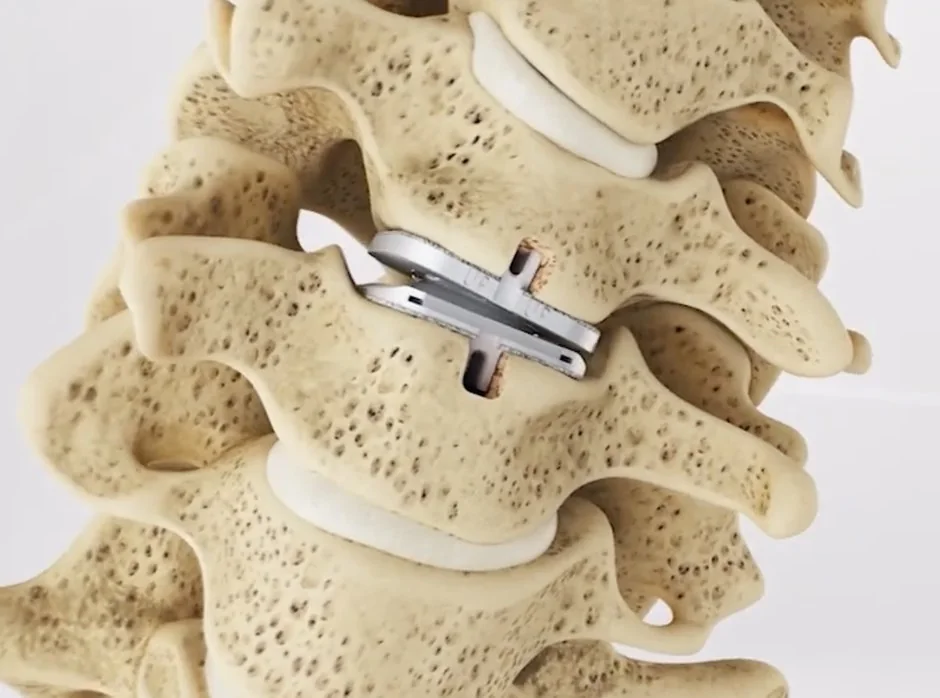
A modern motion-preserving operation. The damaged disc is removed, the nerve structures are released, and a mobile disc prosthesis is implanted instead of a cage.
Advantages:
- Preserved mobility
- No vertebral fusion
- More physiological biomechanics
- Less overload of adjacent discs
- The best option for active patients
A chance to avoid segment immobilization in properly selected patients
Endoscopy, ACDF or disc replacement?
| Method | Advantage | When it is suitable |
|---|---|---|
| Endoscopy | Minimal trauma, disc preservation | Lateral and foraminal disc herniations |
| ACDF | Reliable decompression and stabilization | Central disc herniations, stenosis, osteophytes |
| Disc prosthesis | Preserved mobility | Patients with indications for anterior access and preserved segment mobility |
Which surgery do you need?
- MRI
- CT
- Flexion-extension X-rays
- Symptoms
- Neurological status
- Age
- Patient's activity level
- Disc condition
- Facet joint condition
- Presence or absence of instability
Why choose us?
every year
surgeries
online consultation
Treatment cost
Trust your health
only to the best!
How long does the operation take?
Depending on the method and complexity — usually from 40 minutes to 2 hours. The exact duration is discussed after your examinations are reviewed.
How many days will I spend in hospital?
After endoscopic removal of a disc herniation — usually 1–3 days. After ACDF or disc replacement — 3–5 days, depending on the patient's condition.
Is it painful after the operation?
Thanks to modern pain management, post-operative pain is well controlled. Most patients notice a reduction of arm pain within the first days after surgery.
Will there be a scar after the operation?
Endoscopy leaves only a puncture mark of about 1 cm. With ACDF and disc replacement the incision is made in a natural skin fold of the neck and becomes barely noticeable over time.
When can I return to work or studies?
Office work and studies can usually be resumed 2–4 weeks after surgery. Timelines for physical work are determined individually.
Will I be able to do sports after the operation?
Yes, with a gradual return:
- light activity and walking — from the first weeks;
- swimming and gym — usually after 2–3 months;
- contact sports — only after your doctor's approval.
Do I need to wear a cervical collar?
The need for a collar and how long to wear it depend on the surgical method and are determined individually by the doctor. After endoscopy a collar is usually not required.
Will metal detectors react to the implant?
In most cases, no. Cages and disc prostheses are made of titanium and polymer materials that usually do not trigger metal detectors. No documents or certificates are needed for flights.
Can I have an MRI after the implant is placed?
Yes, modern cervical implants are MRI-compatible and are not a contraindication to the examination.
Can I fly after the operation?
Flights are usually allowed 1–2 weeks after surgery if recovery proceeds without complications.
How do I book a consultation or surgery?
You can contact our administrator to book a consultation:
📞 Phone: (094) 821-08-30 (Olena Ihorivna).
Who performs cervical spine surgery?
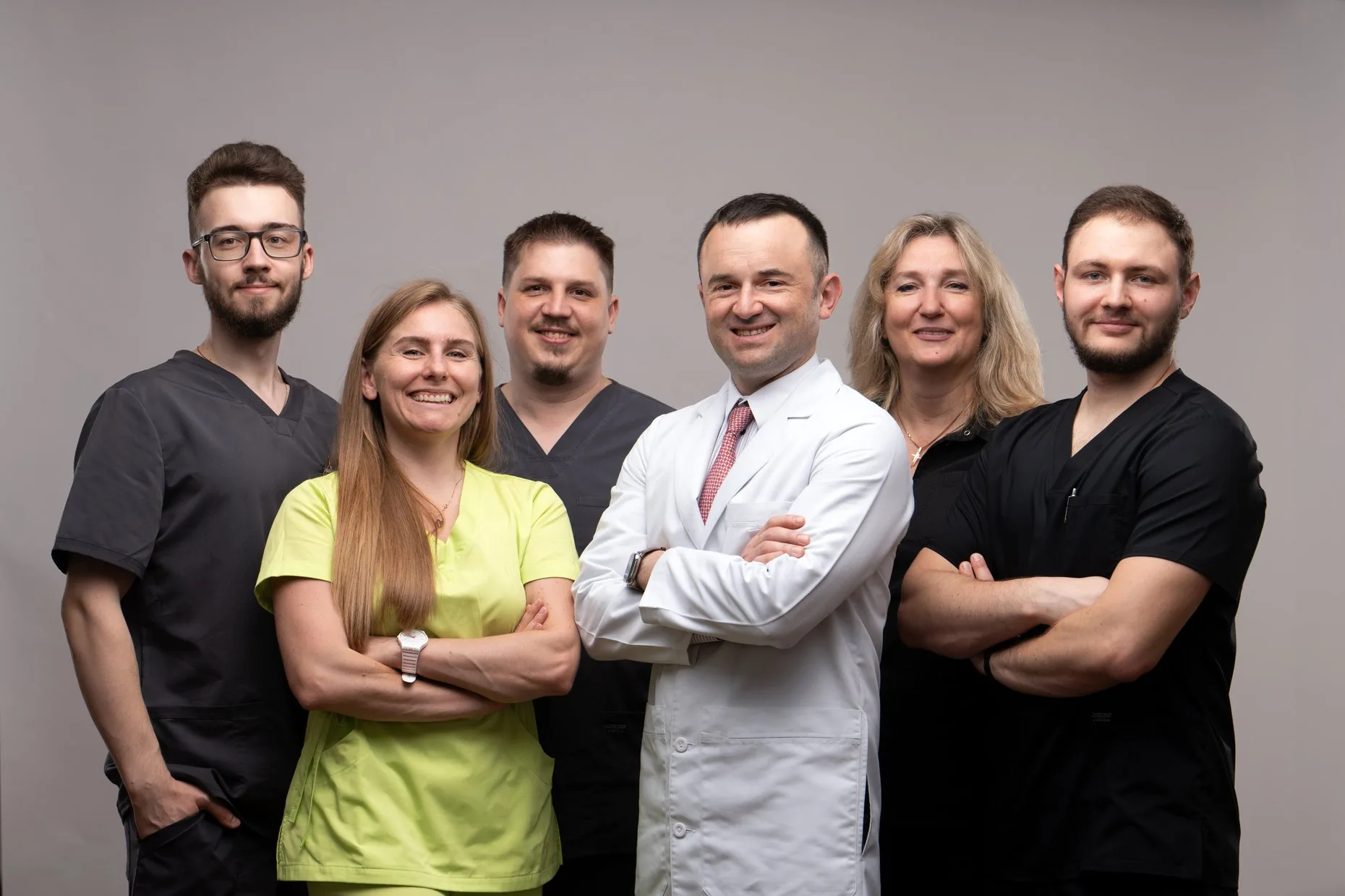
Cervical spine surgery is performed by Prof. Iakiv Fishchenko, MD, DSc — a spine surgeon and orthopaedic trauma surgeon. He personally reviews the MRI, CT and X-ray findings, selects the most appropriate treatment and performs the operation: endoscopic disc herniation removal, ACDF or disc replacement. Over the past eight years, he has personally performed more than 3,000 endoscopic spine procedures.
How is the choice made between endoscopy, ACDF and disc replacement?
Professor Iakiv Fishchenko selects the surgical method individually after reviewing the MRI, CT, flexion-extension radiographs, symptoms and neurological status of the patient. Endoscopy is used when the herniation can be removed while preserving the native disc. ACDF may be appropriate for large central herniations, osteophytes, stenosis or instability. Disc replacement preserves segmental motion in appropriately selected patients without relevant contraindications.
What should I send for a free online consultation?
Please send a cervical spine MRI in DICOM format via Telegram. Photographs of individual images or the written report alone are insufficient for a complete assessment. If available, include CT, flexion-extension radiographs, ENMG results and records from any previous operations. Briefly describe your symptoms and how long you have had them. Professor Iakiv Fishchenko will personally review the materials and let you know whether surgery is indicated and which method may be most appropriate.
What type of anaesthesia is used for cervical spine surgery?
All cervical spine procedures — endoscopic disc herniation removal, ACDF and disc replacement — are performed under general anaesthesia. This ensures maximum patient comfort and the immobility required during the procedure. Before surgery, the anaesthesiologist reviews the examination results and the patient’s general health and prepares an individual anaesthetic plan.
What are the risks of cervical spine surgery?
Like any surgical procedure, cervical spine surgery carries certain risks. Possible complications include infection, bleeding or haematoma, damage to the membranes surrounding the neural structures, persistence or recurrence of symptoms, nerve-root or spinal-cord injury, and implant-related problems. After procedures performed through an anterior approach, temporary difficulty swallowing or hoarseness may occur. Risks depend on the type of procedure and the patient’s condition; Professor Iakiv Fishchenko discusses them individually before surgery.
Can revision cervical spine surgery be performed?
Yes. Revision surgery is possible but requires particularly careful planning. Indications may include a residual or recurrent disc herniation, neural compression, instability, failed fusion, implant-related problems or adjacent-segment disease. For consultation, please provide MRI and CT studies in DICOM format, flexion-extension radiographs, the discharge summary from the previous surgery and information about any implanted devices. Professor Iakiv Fishchenko will determine whether endoscopic surgery, revision decompression, ACDF or another stabilisation procedure is appropriate.
Who may not be suitable for cervical disc replacement?
Disc replacement is not suitable for every patient. It may be inappropriate in cases of vertebral instability, advanced facet joint arthrosis, marked spondylosis and large osteophytes, severe osteoporosis, cervical deformity, infection or a neoplastic process. Professor Iakiv Fishchenko makes the final decision after reviewing the MRI, CT and functional radiographs.
When may endoscopic removal of a cervical disc herniation be insufficient?
Endoscopy is best suited to lateral and foraminal disc herniations when the native disc can be preserved. It may be insufficient for a large central or calcified herniation, marked spinal-cord compression, substantial osteophytes, spinal canal stenosis, instability or significant loss of disc height. In such cases, Professor Iakiv Fishchenko may recommend ACDF or disc replacement.
Is surgery necessary if neck or arm pain is mild?
Pain intensity is not the only criterion. When the spinal cord is compressed, more concerning signs may include weakness in the arms or legs, loss of hand dexterity, gait and balance disturbances, numbness, and bladder or bowel dysfunction. Even when pain is mild, progression of these symptoms may lead to a lasting neurological deficit. In this situation, consultation with a spine surgeon should not be delayed.
Clinical cases
Endoscopy
ACDF
Disc prosthesis
Patient reviews
of NAMS of Ukraine
online consultation
Do you have questions?
FISHCHENKO


 +38 094 821 08 30
 fishchenko@gmail.com
More about Prof. Iakiv Fishchenko, MD, DSc
fishchenko@gmail.com
More about Prof. Iakiv Fishchenko, MD, DSc